
Introduction
Building a beautifully designed website is a fantastic achievement, but it means very little if no one is visiting it. For many new website owners, the immediate reaction to a lack of visitors is to start spending money on expensive Google or Facebook advertisements. While paid ads can bring you quick numbers, they stop working the exact second your budget runs out. Relying entirely on paid traffic is a risky financial model that drains your capital without building long-term value. If you want a sustainable business model, you must master the art of natural optimization. In this ultimate guide, we will teach you exactly how to get organic traffic to your website fast without wasting your hard-earned money on marketing ads.

Why Natural Visibility Beats Paid Advertisements
Organic traffic refers to the visitors who find your platform through a standard search engine query rather than clicking on a paid promotional link. This stream of traffic is incredibly valuable because it represents people who are actively searching for answers, products, or services that you provide. When a user finds your content naturally, their level of trust in your brand is significantly higher compared to when an ad pops up disruptively on their screen. Furthermore, organic optimization provides a compounding return on investment. An article that you write today can continue to pull in thousands of targeted visitors every single month for years to come, completely free of charge.
1. Reverse Engineer Low-Competition Long-Tail Keywords
The biggest mistake beginners make is trying to target highly competitive, single-word terms like “shoes” or “marketing.” Large corporate brands with massive marketing budgets already dominate those phrases, making it almost impossible for a newer platform to rank on the first page. To bypass this barrier and climb the search rankings swiftly, you must shift your focus entirely toward long-tail keywords. Long-tail keywords are highly specific phrases that usually consist of three or more words, reflecting exactly how real humans speak into voice search or type into search bars.
For instance, instead of trying to optimize your website for a broad phrase, you should focus on a descriptive string like “best digital marketing strategies for small local shops.” Finding these hidden gems requires deep research using software platforms like Ubersuggest, Ahrefs, or Google Keyword Planner. You must specifically look for phrases that possess a decent monthly search volume but feature a very low SEO difficulty rating. Targeting these low-competition search phrases allows you to bypass the corporate giants, deliver exactly what the user is looking for, and get organic traffic to your website fast.

2. Implement the Content Cluster Model to Build Authority
Search engines no longer rank isolated articles based purely on keyword density; instead, they reward websites that demonstrate deep topical authority. To prove your authority to search crawlers, you should implement the hub-and-spoke content model, often referred to as content clustering. This strategy involves creating a single, massive “pillar page” that provides a broad overview of a main topic, and then writing several shorter “cluster posts” that dive deep into specific subtopics.
For example, your main pillar page could be a comprehensive guide on “Digital Marketing.” Your cluster posts would then focus on highly specialized areas like local map ranking tips, email list building secrets, or high-converting ad copies. You must then connect all these individual pieces of content together using strategic internal linking. Internal links act as clear digital pathways for search engine bots, helping them index your entire website instantly. It also keeps human readers on your platform much longer, reducing your bounce rate and signaling to algorithms that your site offers exceptional value.
3. Maximize User Experience and Mobile Page Speed
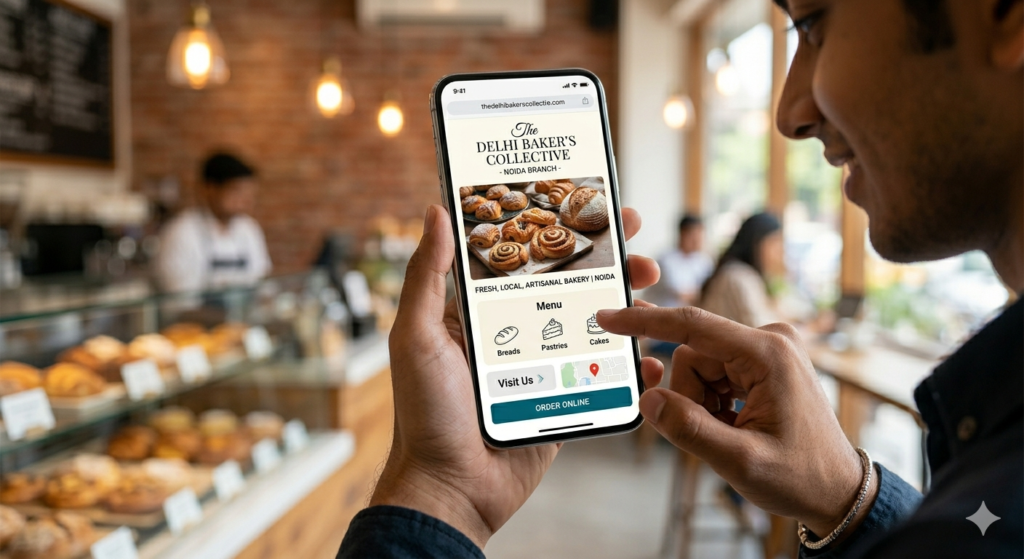
You can write the most incredible content in your industry, but if your platform takes more than three seconds to open on a mobile device, your traffic numbers will plummet. Modern online consumers expect instantaneous results. If your site stalls or shifts layouts while loading over a standard mobile network, users will immediately hit the back button and visit a competitor’s page instead. A high bounce rate sends a highly negative signal to search engine algorithms, causing your rankings to drop rapidly across the board.
To keep your bounce rate low and keep your visitors engaged, you must ruthlessly optimize your website’s technical performance. Start by choosing a lightweight, responsive theme and compressing every single image file before uploading it to your media library. Ensure that your text fonts are large enough to be read comfortably on a tiny smartphone screen without forcing the user to zoom in. By creating an ultra-fast, seamless mobile browsing experience, you keep readers on your pages longer, which naturally boosts your prominence and helps you get organic traffic to your website fast.
4. Optimize On-Page Elements for Featured Snippets
Google is constantly trying to answer user queries as quickly as possible directly on the search results page. It achieves this by displaying “Featured Snippets”—the helpful text boxes that appear at the very top of the search page, often referred to as position zero. Securing a spot in the featured snippet block is an incredible way to steal a massive amount of traffic away from older, more established websites that occupy the standard top rankings.
To optimize your content for position zero, you must structure your articles logically using clear header tags ($H_2$ and $H_3$). Whenever you introduce a core question within a subheading, you should provide a direct, concise answer in the very next paragraph, keeping it between 40 to 50 words. Additionally, whenever applicable, structure your information using numbered steps or bulleted lists. Search engine crawlers adore neatly organized data formats because they can easily pull lists into search summary blocks, giving your website maximum organic visibility.
5. Repurpose Written Content on Social Video Platforms
While optimizing for search engines is an incredible foundation, you should not limit your reach to text-based searches alone. Today, millions of internet users consume information through short-form video content on platforms like Instagram Reels, YouTube Shorts, and TikTok. You can easily tap into these massive, active user bases by repurposing your existing blog posts into engaging, short video scripts.
Take a successful article from your website, extract three powerful tips, and record a quick, high-energy 60-second video explaining them. Make sure to place a clear call-to-action at the very end of your clip, directing viewers to click the link in your bio to read the full, detailed guide on your website. This omni-channel approach allows you to capture traffic from highly active social networks, build a community of loyal followers, and drive an entirely new stream of visitors back to your platform completely free of charge.
Conclusion
Achieving a steady stream of web visitors does not require a massive corporate advertising budget or complex technical tricks. By focusing your marketing efforts on low-competition long-tail keywords, building out structured content clusters, maximizing your mobile page speed, targeting rich snippets, and leveraging short-form social videos, you can build an unstoppable traffic asset. Do not feel pressured to execute every single one of these methods over a single weekend. True sustainable optimization is a long-term journey that rewards consistency and patience. Focus on writing one high-quality, perfectly structured post each week, study your analytics closely, and watch your natural traffic numbers climb steadily month after month.